Quantify key morphological features of bone marrow tissue in Myeloproliferative neoplasms
Myeloproliferative Neoplasms
Myeloproliferative Neoplasms (MPNs) are a group of rare blood cancers characterised by an overproduction of blood cells.
The subgroups of MPNs: PV, ET, and (pre)PMF have differing morphologies, prognoses and treatment strategies. They also have several overlapping features which make subtyping difficult by traditional methods.
In clinical trials this subtyping challenge can lead to development delays, unreliable results and even trial failures. GTL uses your existing data and deep learning to coherently assess widely accepted but poorly measured key clinical parameters — fibrosis and megakaryocyte morphology — to more robustly sub-type and characterise patients and monitor treatment response in the trial setting.
Two AI-powered spatial biomarkers in MPN:
GTL uses routinely available clinical trial material to non-destructively analyse key clinical parameters.
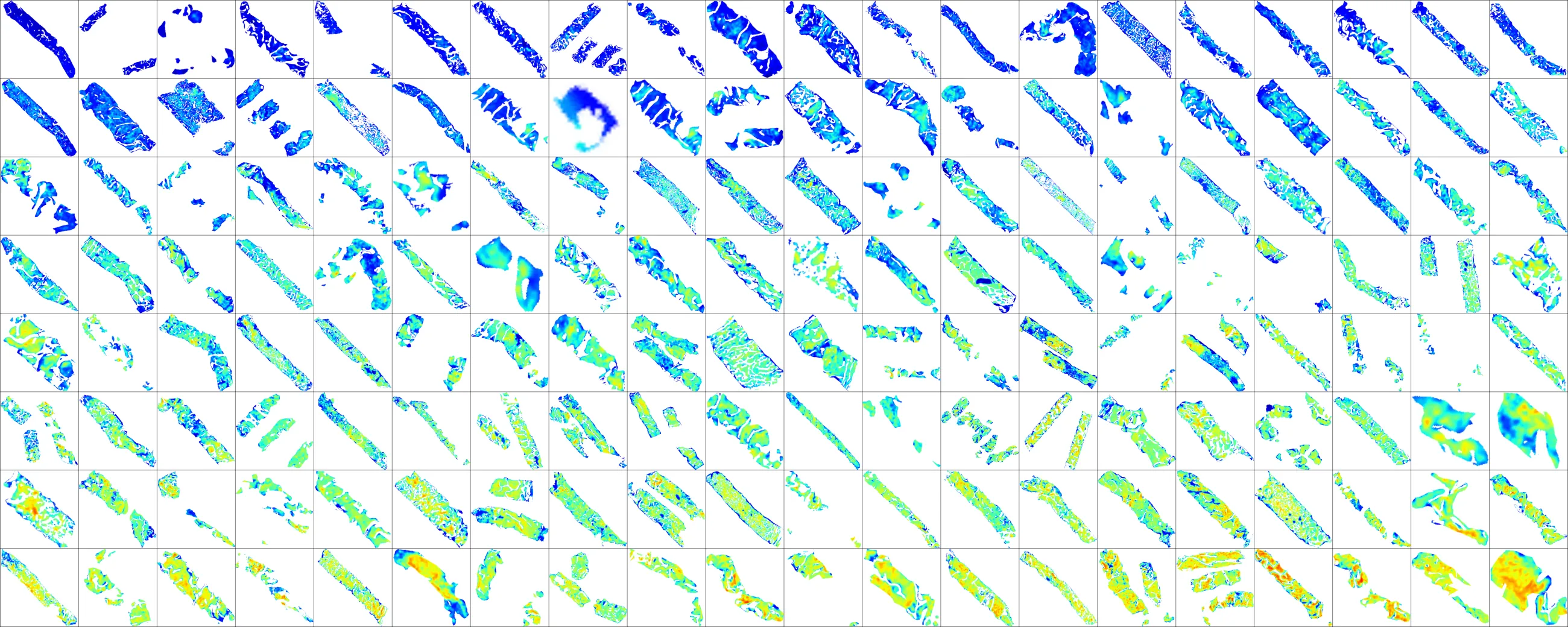
Fibrosign for Fibrosis quantitation
Fibrosis is a known marker of disease progression and or response to therapy in MPN. Clinical trials currently rely on prone-to-error methods for quantifying fibrosis which frequently lead to unreliable results and leave a lot of insights on the table.
Megasign for Megakaryocyte characterisation
Megakaryocytes play a key role in MPNs by promoting myeloproliferation and fibrosis. Current measures of these critical cells are subjective and qualitative leading to questions relating to their fidelity and consistency.
Applying these biomarker in clinical trials can provide deeper insights:
Quantitive and Nuanced
Objective, quantitative fibrosis and megakaryocyte measures between patients, cohorts and treatment cycles.
Human pathology reads are prone to observer variability. They also have to fit crude categories which strip reads of valuable nuance and intra category variance.
Insightful and Actionable
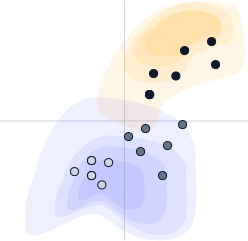
Stratify patients with the added confidence of our expert curated MPN cohort.
Our AI-biomarkers aid pathology teams in confidently evaluating if their trial cohort accurately represents the disease space. Our model can, for example, help to resolve the challenge of differentiating pre-PMF from ET subtypes.
Analyse in Context
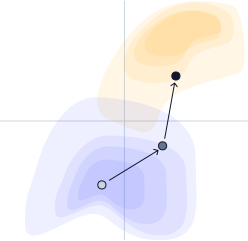
Measure and understand response to therapy of patients and cohorts against the backdrop of disease space via inter class movement.
Used with sequential patient data our curated cohort can accurately and insightfully describe disease modification and progression in response to any intervention.
Boost your research,
start using AI biomarkers today
We're applying our technology to trials, research, and clinical audits today.
Get in touch